



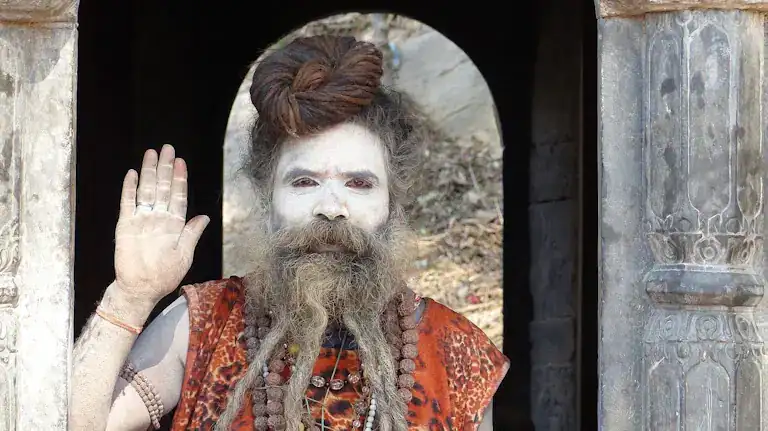
In Pashupatinath Temple in Kathmandu you can see sadhus (Hindu ascetics) smear sacred ash (vibhuti or bhasma) on their bodies as part of their spiritual practice. This tradition has deep religious and symbolic significance.
Symbol of Renunciation & Detachment
Ash (bhasma) represents the transient nature of life and the physical body. By wearing ash, sadhus remind themselves that the material world is temporary (“Ashes to ashes, dust to dust”).
Connection to Lord Shiva
Pashupatinath is one of the most sacred Shiva temples in the world.
Shiva, the destroyer and ascetic god, is often depicted covered in ash from cremation grounds and Sadhus imitate Shiva’s appearance to show devotion and seek spiritual liberation (moksha).
Purification & Spiritual Power
Ash is considered purifying and is believed to ward off negative energies.
It is made from homa (sacred fire rituals) or cremation grounds, symbolizing the burning of ego and desires.
What Is the Ash Actually Made Of?
There are two different sources of sadhu ash, and they are not the same thing.
Vibhuti (the ash you see on most sadhus and devotees)
Most sacred ash used in Hindu worship, including what you see on sadhus at Pashupatinath, is vibhuti. It is made by burning dried cow dung in a consecrated fire (a homa), often together with sacred wood, herbs and ghee, while Vedic mantras are chanted. The result is a fine grey white ash, sieved and purified, then applied to the forehead and body as a tilak. This is the ash sold at temples and used daily by millions of Hindus. It is not made from human remains.
Chita bhasma (cremation ground ash)
A small number of ascetic lineages, most notably the Aghori, use ash taken from cremation grounds instead. For them, sitting and meditating in cremation ash is a deliberate confrontation with death and impermanence, core to their practice. This is where the “cremated bodies” question comes from, and it is a real tradition, just not the one behind most of what you will see at Pashupatinath today. Genuine Aghori practitioners are rare and are far more associated with Varanasi in India. What you see at Pashupatinath is almost always vibhuti, sometimes described loosely as “cremation ground ash” because of the temple’s location beside the cremation ghats, not literal human ash.
Common Questions About Sadhu Ash
Is holy ash made from cremated bodies?
Usually no. Most holy ash (vibhuti) is made from burnt cow dung, wood, ghee and herbs in a ritual fire. Only a small ascetic minority, mainly Aghori sadhus, use actual cremation ash, and that practice is rare and concentrated in Varanasi rather than Kathmandu.
Why is Shiva covered in ash?
In Hindu iconography, Shiva is the ascetic god associated with destruction and transformation, and he is traditionally depicted smeared in ash from cremation grounds. Shaiva sadhus, devotees of Shiva, imitate this appearance as an act of devotion and as a visual reminder that the body is temporary.
What is a Shaiva sadhu?
A Shaiva sadhu is a Hindu ascetic devoted to Shiva. Most of the ash covered sadhus you see at Pashupatinath belong to Shaiva sects, including Naga Babas. Applying ash marks their path and their devotion.
What are the believed benefits of holy ash?
In Hindu tradition, vibhuti is considered purifying and is believed to ward off negative energy, mark devotion and remind the wearer of life’s impermanence. These are traditional spiritual beliefs, not medical claims.
Mark of a True Aghori or Shaiva Sadhu
Many sadhus at Pashupatinath belong to Shaiva (Shiva-worshipping) sects, including Aghoris and Naga Babas.
For them, ash signifies fearlessness, they meditate in cremation grounds to conquer the fear of death.
Blessings & Identity
Applying ash is also a ritual act which some receive as prasad (blessing) from the temple.
It marks them as holy men, earning respect from devotees who seek their blessings.
Cultural Significance at Pashupatinath
Pashupatinath is a major cremation site, and the ash serves as a constant reminder of life, death, and rebirth—core themes in Hinduism.
Many sadhus gather here for Shivaratri and other festivals, where ash-smearing is a prominent practice.
Thus, the ash on a sadhu’s body is not just dirt, it’s a sacred symbol of their path to enlightenment.
Pashupatinath Temple and witnessing sadhus are included in this walking tour:
3 hour Pashupatinath and Boudhanath Private Walking Tour
$20,- pp small group tour of max 5 people, or $80 private tour.
Your guide decodes complex rituals, from priestly ceremonies at Pashupatinath to Buddhist practices at Boudhanath, so you don’t just see, you understand.
Witnessing cremations at Pashupatinath can feel overwhelming. Our guides navigate sensitivities with clarity and compassion, ensuring you observe traditions appropriately.
Image by Peter Anta from Pixabay


4 thoughts on “A Hindu Ritual, why do sadhus smear ash on their body?”
Comments are closed.