
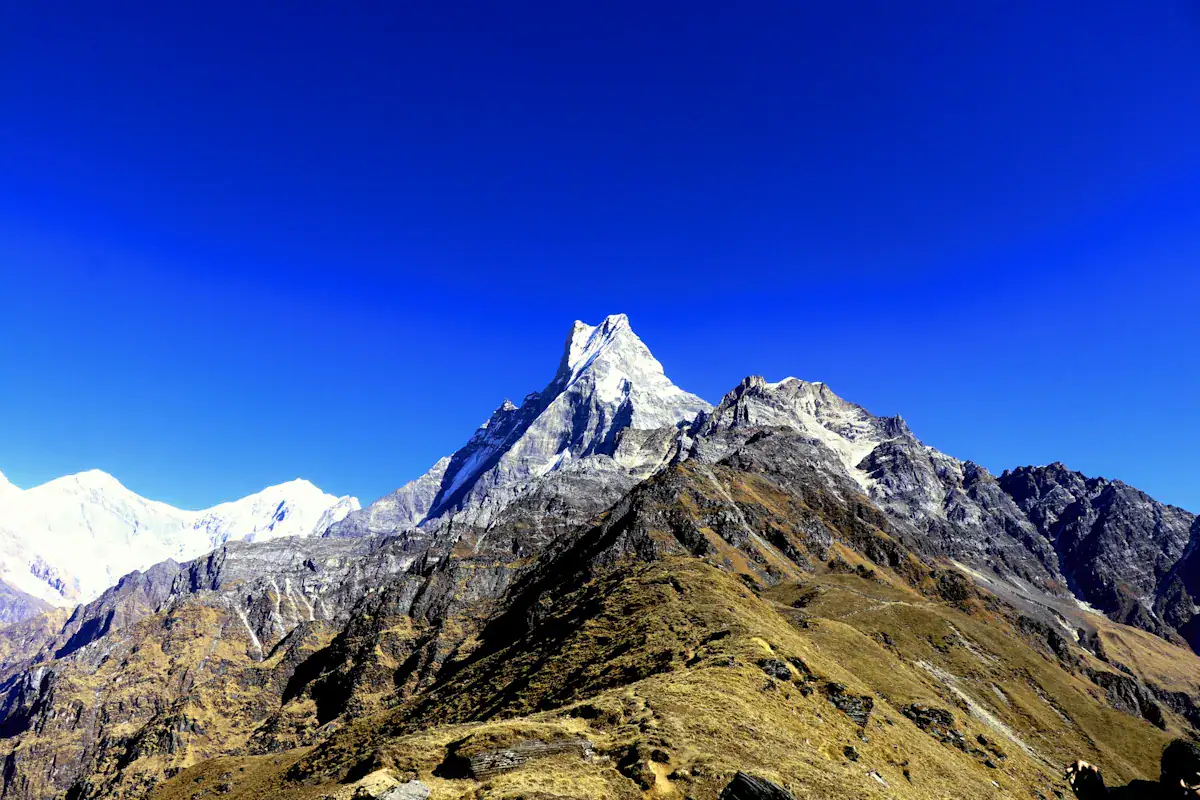
Mardi Himal is a short trek from Pokhara: three to four days up a narrow ridge to a viewpoint at about 4,500 m (14,800 ft), right beneath Machhapuchhre, the Fishtail mountain you can see from Pokhara itself. As on most treks in Nepal, you don’t need a tent. You sleep in simple lodges run by local families, often called teahouses. You eat your meals there too.
The last place to sleep before the viewpoint is High Camp, a small cluster of 14 lodges on the ridge. Each lodge is allowed a maximum of 25 beds, so there is room for about 350 guests a night. During Nepal’s big autumn festivals, when much of the country is on holiday, the trail gets very busy: local reports counted 600 to 700 trekkers a day this year. Once every bed at High Camp was taken, the lodges gave the extra guests a place to sleep in the dining room or in a tent.
Why would you sleep in a dining room?
It is a normal part of how the lodges work. The dining room is the shared room in every lodge where guests eat and spend the evening together. On nights when all the bedrooms are full, lodge owners on Nepal’s popular trails don’t send people back down the mountain in the dark. Late arrivals sleep in the dining room or in a tent outside. They still get their dinner and breakfast at the lodge.
If you prefer a bed of your own, it comes down to timing. Outside the festival weeks, beds at High Camp are much easier to find. During the festivals, your guide can book your room ahead, usually from the lodge where you stay the night before. Bring a warm sleeping bag either way, as nights on the ridge are cold.
How busy does Mardi Himal get?
Nepal doesn’t count trekkers on every trail every day. Park offices, checkpoints and local tourism committees do report how many people walk the popular routes on busy days in the main trekking season. These are the latest figures for each trek. On ordinary days and outside the main seasons (spring and autumn), the numbers are much lower.
| Trek | Trekkers on a busy day | When |
|---|---|---|
| Mardi Himal | 700 | Festival peak, autumn 2026 |
| Everest Base Camp trek | 700 | April 2025 |
| Annapurna Circuit | 550* | 13 October 2026 |
| Poon Hill | 450 | March 2026 |
| Annapurna Base Camp | 300 | October 2026 |
| Langtang Valley | 200 | October 2019 (latest published) |
| Maurice Herzog trail to Annapurna Base Camp | 200 | Autumn 2026 |
| Manaslu Circuit | 35 | Late October 2026, just after it reopened after floods |
On its busiest festival days, Mardi Himal is about as busy as the Everest Base Camp trek on a busy spring day. But the people walking it are very different. On Everest, most of them were foreign trekkers. On Mardi, the festival crowds are mostly Nepali hikers on a holiday break. They come in a few concentrated weeks.
For visitors from abroad that is good news. Foreign trekkers on Mardi Himal are far fewer: in the first half of November 2023, in the middle of the main season, the trail recorded about 650 foreign trekkers in two weeks, about 45 a day. So what matters most is whether your dates fall in the festival weeks. If they do, expect full lodges at High Camp and arrange your bed in advance. If they don’t, you will share the ridge with far fewer people.
When are the festival weeks?
The busy days come with Dashain and Tihar, Nepal’s two biggest festivals. They follow the lunar calendar, so the dates move every year. In 2026 the Dashain period ran from 11 to 25 October and Tihar from 7 to 11 November. You can check the dates for your year in our Nepal festival calendar.
October and November are still the best months for the trek, with the clearest mountain views of the year. Spring is the second main season. If you can, plan your Mardi Himal days just before or after the festival weeks. Our month-by-month guide to the best time to visit Nepal shows what each month is like.
What the Mardi Himal trek involves
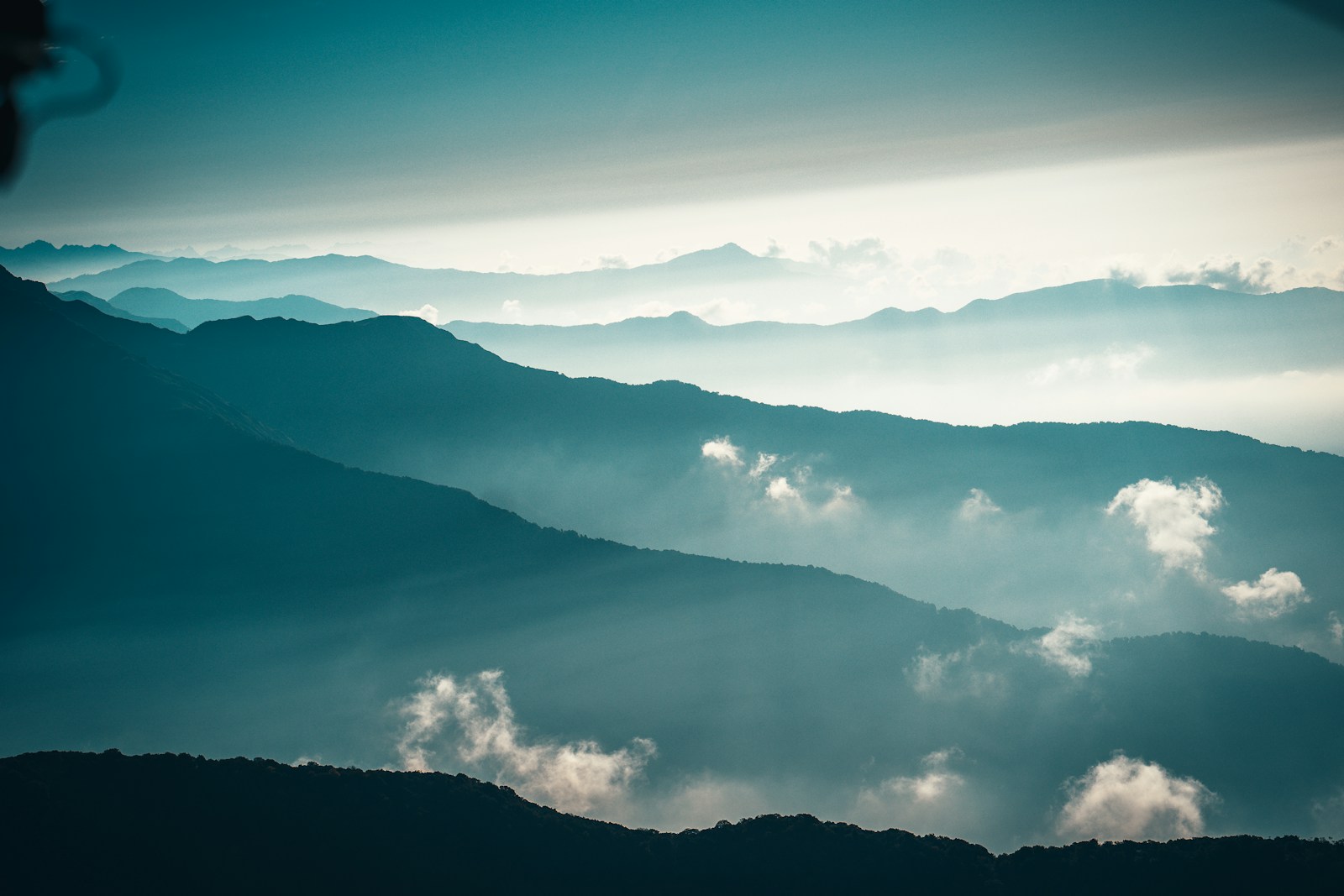
The trek lies inside the Annapurna Conservation Area, a protected area north of Pokhara. Most people take three to four days to walk up to Mardi Himal Base Camp at about 4,500 m (14,800 ft) and then come back down the same ridge. Mardi Himal, the mountain the trek is named after, is 5,587 m (18,330 ft) high. The main reason people come is the view: the ridge runs straight towards Machhapuchhre. Local reports count 13 Himalayan peaks in sight along the way.
It is a young trek by Nepal’s standards. It was officially opened as a trekking route in 2012. The lodges were built by local families. Sudip Gautam, who led the trail’s tourism committee, built the first lodge at High Camp. A statue of him now stands beside the trail. Apart from High Camp, there are lodges lower down, for example at Badal Danda and in the village of Sidhing.
Permits and fees
Because the trek is inside the Annapurna Conservation Area, you need an entry permit from the Annapurna Conservation Area Project (ACAP). You can find the current price on our Nepal entrance fees and trekking permits page. The local municipality also charges a small trail fee, Rs 500 (about US$3) for foreign trekkers, which pays for trail upkeep. If you are wondering whether you need a guide, Do I need a guide to trek in Nepal? explains the rules.
Altitude: take it slowly
Because the trek is short, you gain height quickly. That is when altitude sickness is most likely. Nepal’s Ministry of Health and Population advises that once you are above 2,500 m (8,200 ft), the place where you sleep should be no more than 300 to 500 m (1,000 to 1,600 ft) higher than the night before. Check your itinerary against that. If it climbs faster, add an extra night on the way up. Our guide to altitude sickness in Nepal explains the symptoms and what to do.
Most trekkers spend a day or two in Kathmandu before heading to Pokhara or after they come back down. If you have one free, open seats on our small-group city tours for today or tomorrow are half price.
Mardi Himal or Poon Hill?
These are the two short treks from Pokhara that first-time trekkers most often choose between. Poon Hill is lower, at 3,210 m (10,530 ft). The trail passes through villages such as Ghorepani and Ghandruk, with a famous sunrise viewpoint at the top. Mardi Himal goes higher, along an open ridge with fewer villages and takes you closer to the mountains.
If you’d like village life and less altitude, have a look at our Ghorepani Poon Hill Trek. Still deciding? The Trek Finder compares Mardi Himal, Poon Hill and 12 other treks side by side. For getting to the start of the trek, see how to get from Kathmandu to Pokhara and our hotels in Pokhara. And if you’d like help planning the whole trip, send us your plans through the travel planning questionnaire.
Sources
- Nepal News, 8 November 2026: Mardi Himal and High Camp figures, Maurice Herzog trail
- Republica and eTurboNews, 27 October 2023: trail fee and November 2023 figures
- The Kathmandu Post, 29 October 2026: Annapurna Circuit figure and Dashain dates
- The Himalayan Times, 5 October 2026: Annapurna Base Camp figure
- The Kathmandu Post, 13 October 2019: Langtang figure (Langtang National Park)
- The Kathmandu Post, 25 October 2026: Manaslu figure
- The Himalayan Times, 22 April 2025: Everest region figure (Sagarmatha National Park office)
- Ratopati, 28 March 2026: Poon Hill figure
- The Rising Nepal, 7 November 2026: Tihar dates
- The Kathmandu Post, 25 April 2026: history of the trail and its lodges
- The Tourism Times, 6 November 2026: altitude sickness standards
Main photo: on the Mardi Himal trek in the Annapurna region. Photo: Arun Ghimire / Unsplash