
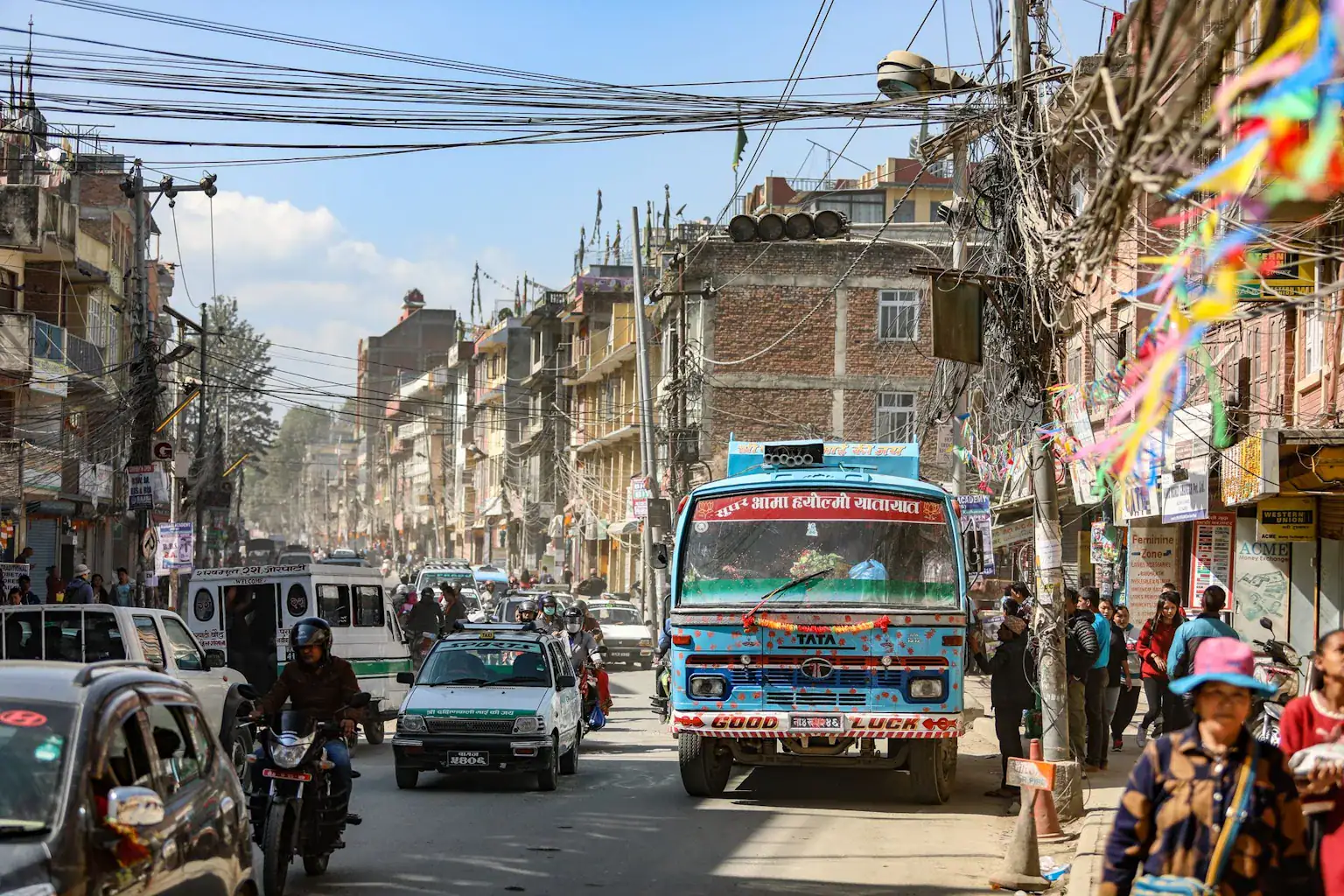
Nepal can be done on a tight budget, but only if you understand where the money actually goes. The phrase budget cost Nepal sounds simple, yet travelers often underestimate two things: heritage entrance fees in Kathmandu and how quickly transport costs rise once you leave the city. If you want a trip that feels affordable without becoming a daily negotiation with your wallet, it helps to break the budget into the parts that matter.
For most visitors, Nepal is still good value. Food is affordable, local transport can be very cheap and guesthouses in many areas remain reasonably priced. At the same time, a truly low daily budget is harder in Kathmandu than many first-time travelers expect, especially if you want to visit major UNESCO sites, use private transport occasionally or stay somewhere clean, quiet and well located. The question is not whether Nepal is cheap. The question is what kind of trip you want for your money.
Budget cost Nepal by travel style
A backpacker moving carefully, using local buses, staying in basic rooms and eating mostly local meals can keep costs low. A comfortable independent traveler who wants reliable hotels, airport transfers, guided sightseeing and some flexibility will spend more, but often gets far better value from the overall experience.
A lean backpacker budget in Nepal often lands around US$25 to US$40 a day outside peak trekking logistics, sometimes less in cheaper areas and sometimes more in Kathmandu. That usually covers a basic bed, simple meals and local transport. Add heritage site tickets, taxis or domestic flights and the total rises quickly.
A more realistic mid-range budget for many international visitors is around US$50 to US$100 a day. That allows for a decent hotel room, better food choices, occasional rides by taxi or private car and room in the budget for guided activities. If you want a private guide, boutique accommodation or customized travel planning, you should expect to spend beyond that range.
Kathmandu is often where budgets wobble first. Travelers arrive planning to spend very little, then pay for airport transport, heritage tickets, café meals, last-minute shopping and taxis between scattered sites. None of these costs is shocking on its own, but together they add up fast.
What Kathmandu heritage fees do to your budget
If culture is the reason you came to Nepal, entrance fees are not optional. They are a normal part of sightseeing here and you should budget for them properly.
Kathmandu Durbar Square costs NPR 1,000 for foreign nationals. Patan Durbar Square costs NPR 1,000. Swayambhunath costs NPR 200. Boudhanath costs NPR 400. Pashupatinath costs NPR 1,000.
That means one strong day of major heritage sightseeing can easily add NPR 2,000 to NPR 3,000 or more before transport, food or guide fees. For budget travelers, this is the difference between a cheap day and a surprisingly expensive one.
This is also where guided planning can save money in indirect ways. If you visit sites in a smart sequence, avoid wasted taxi hops and understand what is worth your time, your day feels smoother and your spending is easier to control. A cheap plan that wastes half the day is not really cheap.
Accommodation costs in Nepal
Nepal offers a broad range of accommodation, from very basic rooms to high-end heritage hotels and luxury retreats. Your budget depends less on the country overall and more on where you are, what season you travel and how much comfort you need after long sightseeing days.
In Kathmandu, a bare-bones budget room may cost around US$10 to US$20. At that level, expect compromises on noise, heating, hot water consistency, bathroom quality or location. A cleaner and more dependable budget hotel often starts around US$25 to US$40.
If you prefer comfort without going fully upscale, US$40 to US$80 a night opens up much better options. You are more likely to get reliable service, a better bed, a quieter room and a location that reduces transport hassle. That matters in a city where traffic and walking distances can shape your day.
Outside the capital, prices may drop, but not always. In popular trekking gateways or seasonal destinations, simple rooms can still become expensive relative to what you get. During busy periods, waiting until the last moment rarely helps.
Food and drink on a Nepal budget
Food is one of the easier places to manage your Nepal costs. A simple local meal can be excellent value, especially if you eat dal bhat, noodles, momos or basic rice sets in local restaurants. Budget around US$2 to US$5 for a simple local meal in many places, though tourist-heavy areas often run higher.
Cafés and restaurants aimed at international visitors can push lunch or dinner into the US$5 to US$12 range or more. Coffee, pastries, bottled water and snacks are where travelers slowly overspend without noticing. If you stop often in café districts, your food budget can double while still feeling modest in the moment.
Alcohol changes the math too. A budget trip stays budget-friendly much more easily if drinking is occasional rather than nightly.
Transport is cheap until it is not
Local buses are inexpensive, but they are not always the best use of a short itinerary. They take time, can be confusing for first-time visitors and are not ideal when you are trying to visit sacred sites respectfully and efficiently.
Taxis in Kathmandu are common, but costs vary depending on distance, traffic and negotiation. Even small taxi rides repeated several times a day can eat into a budget faster than expected. Private transport is obviously more expensive, but it buys back time, comfort and simplicity.
Longer-distance travel changes the budget most. Tourist buses are cheaper than private cars and much cheaper than flights, but they also take more time and offer less flexibility. If your Nepal trip includes Pokhara, Chitwan or Lumbini, transport decisions will shape your overall budget as much as accommodation does.
Guided tours versus doing it yourself
Many travelers assume independent travel is always the cheaper option. In Nepal, that depends on what you are trying to do.
If your goal is simply to move cheaply and see places from the outside, independent travel wins on headline cost. But if you want meaningful visits to Kathmandu’s main heritage sites, a guide often gives better value than travelers expect. You spend less time figuring out logistics, avoid common detours and understand what you are looking at instead of collecting ticket stubs without context.
Our daily Kathmandu tours start at 9 am and 3 pm and run for 3 hours. Small group tours cost US$20 per person with a maximum of 5 participants. A private tour costs US$80. Entry fees are separate.
For travelers comparing costs honestly, that pricing can make sense quickly. One badly planned afternoon of taxis, wrong turns and rushed site visits can cost nearly as much while delivering much less. The cheaper option on paper is not always the better value on the ground.
A sample daily budget in Kathmandu
A careful budget day in Kathmandu might look like this: a basic hotel room for US$20, meals and drinks for US$12, local transport and one or two short taxi rides for US$8 and heritage entry fees of NPR 1,600 to NPR 2,400 depending on the sites you choose. That already pushes the day beyond what many first-time visitors imagine when they hear Nepal is cheap.
A more comfortable cultural day might include a better hotel for US$45, food and coffee for US$20, easier transport for US$15 and a guided small group tour for US$20, plus entry fees. That is not ultra-budget travel, but it is often the sweet spot for visitors who want a smooth, informed experience without overspending on luxury.
Where travelers overspend most
The biggest budget mistakes in Nepal are usually not dramatic. They are cumulative. People underestimate site entry fees, spend too much on unplanned taxis, book weak accommodation that forces them to relocate and lose money through inefficient days.
Another common issue is trying to squeeze too much into too little time. Nepal rewards slower travel. If you rush between cities or pile too many heritage sites into one day, you often spend more and enjoy less.
There is also a false economy in choosing the absolute cheapest option every time. The cheapest room may be so uncomfortable that you book another hotel the next day. The cheapest transport may consume half a day you cannot afford to lose. The cheapest sightseeing approach may leave you with very little understanding of the places you came to see.
How to plan your Nepal budget more accurately
Start with your non-negotiables. If heritage sites matter, price those first. If you need a private room, budget for it honestly. If your time is short, accept that paying for guidance or better transport may actually be the smarter budget choice.
Then build around your travel style rather than chasing the lowest possible number. Nepal works well for budget travelers, but it works even better for travelers who spend deliberately. A trip feels affordable when the important parts are planned, the hidden costs are not hidden and your days are designed around what you actually came here to experience.
Main photo: Volker Meyer on Pexels