
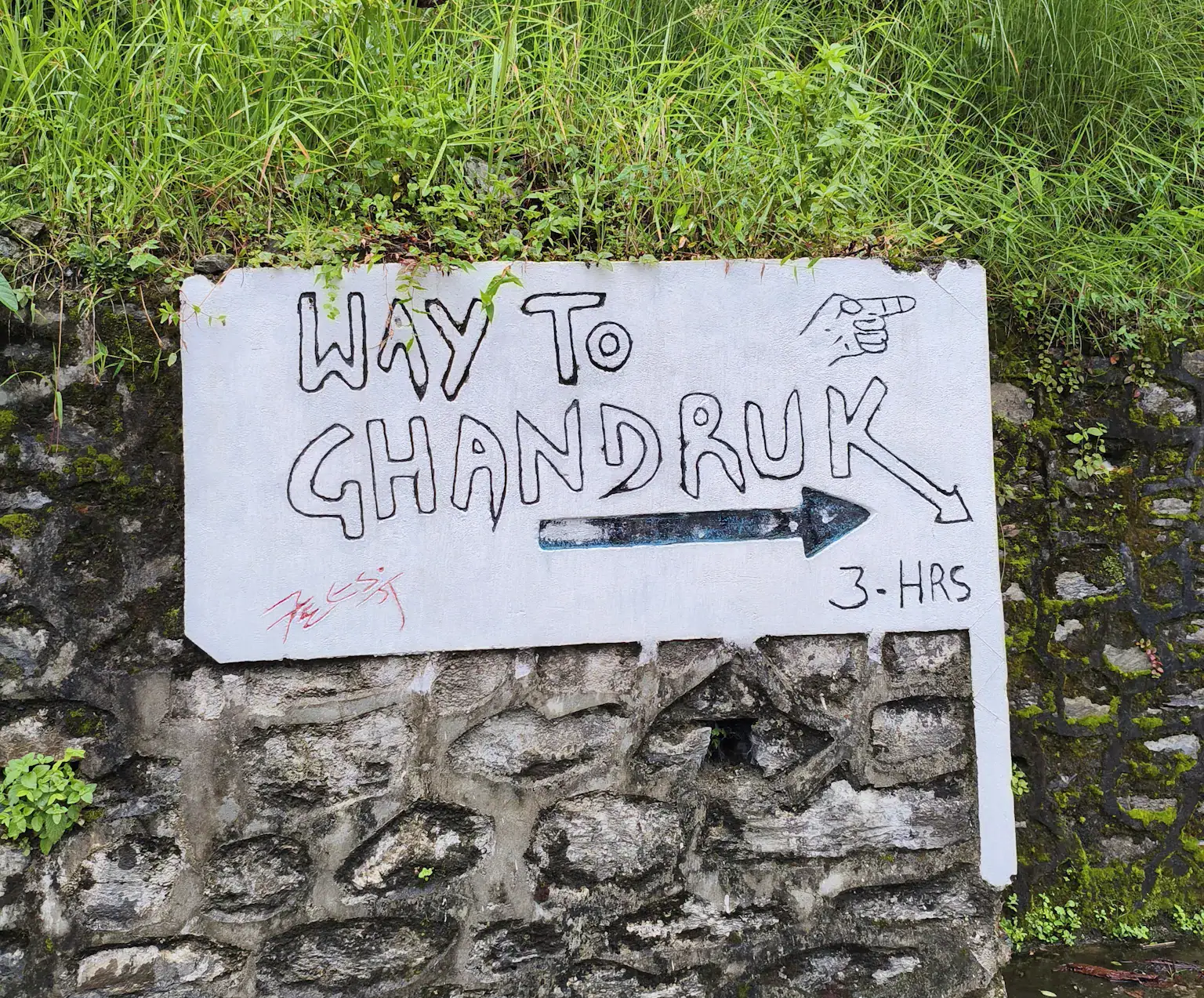
A village does not stay with you because it is pretty. It stays with you because the place feels lived in, shaped by weather, work, ritual and memory. That is the charm of Ghandruk picturesque traditional village. It is beautiful, yes, but its appeal runs deeper than a good mountain photo.
Ghandruk sits in Nepal’s Annapurna region, and many travelers first hear about it as a stop on a trek. That is accurate, but incomplete. What makes Ghandruk memorable is not only its position on a route. It is the way the village holds onto a distinct identity while welcoming outsiders who arrive on foot, tired and wide-eyed, looking up at the Himalayan skyline.
What gives the charm of Ghandruk picturesque traditional village its pull
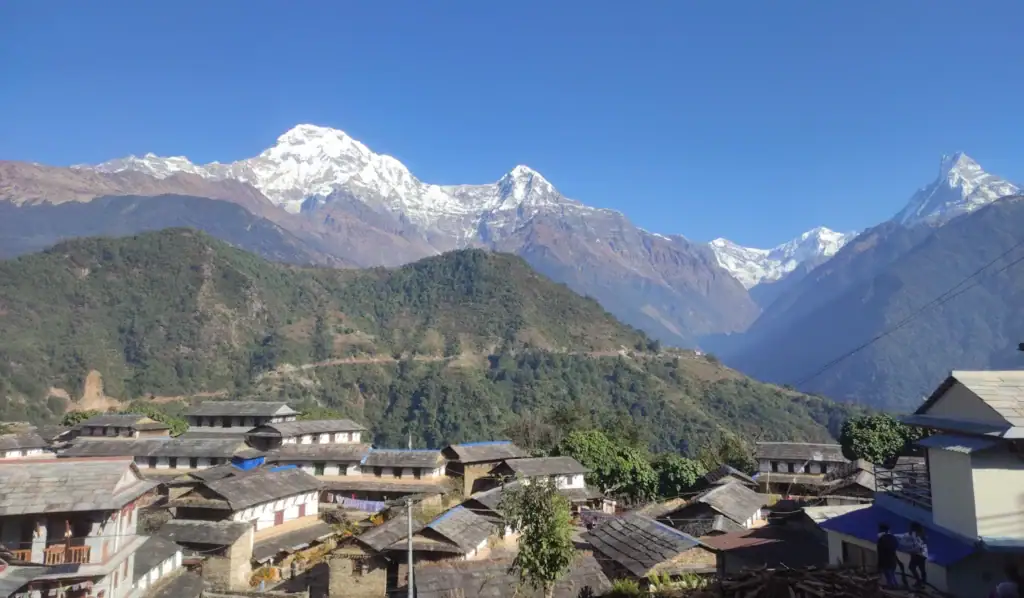
The first thing most visitors notice is the setting. Stone houses step along the hillside. Narrow paths connect homes, lodges and terraces. Above them, the mountains do not feel like a distant backdrop. They dominate the horizon with a scale that changes the mood of the whole place.
On a clear day, the views toward Annapurna South, Hiunchuli and Machhapuchhre are enough to stop conversation. Still, if you reduce Ghandruk to mountain views, you miss the village itself. The settlement has texture. The paved stone lanes, slate roofs and carefully built homes reflect local building traditions shaped by altitude, rain and available materials. Nothing feels random.
That sense of order matters. In many destinations, tourism arrives first and character gets staged afterward. In Ghandruk, the character was already there. Tourism has certainly changed the village, and that comes with both benefits and compromises, but the core atmosphere remains grounded in everyday life.
A traditional village, not an open-air museum
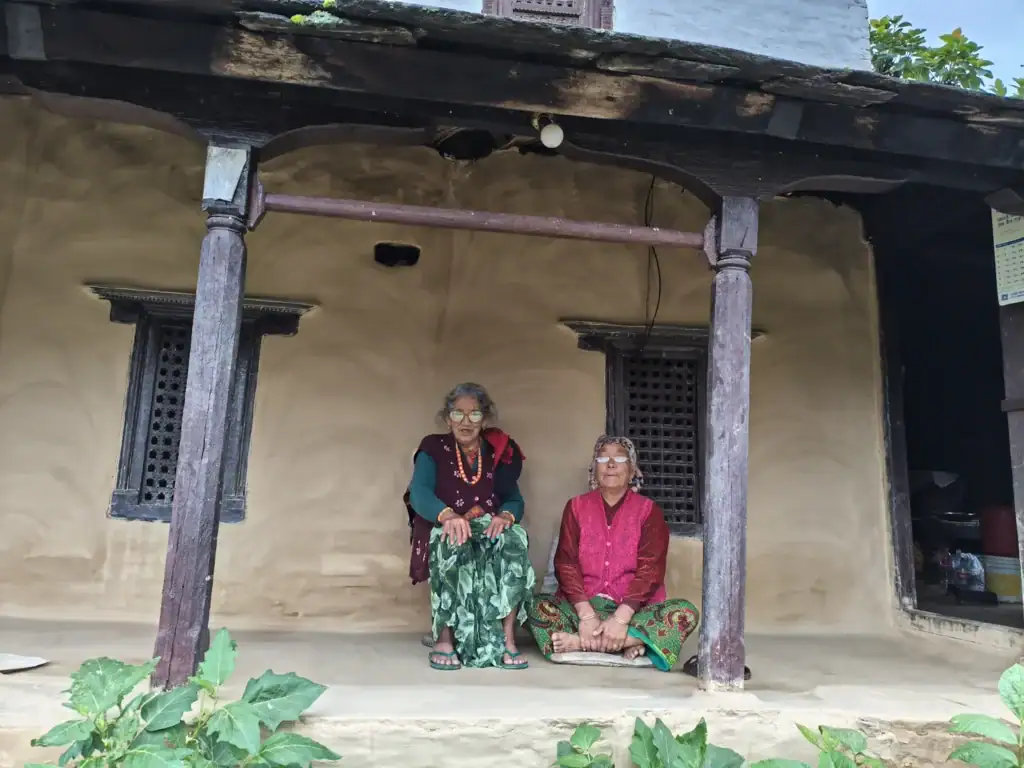
Calling Ghandruk a traditional village is correct, but the phrase can flatten reality. Traditional does not mean frozen in time. People here are not performing village life for visitors. Children go to school, families run lodges, supplies move in, phones ring and modern needs exist alongside older customs.
That balance is part of the appeal. You can see carved details on homes, local shrines, terraced fields and community spaces that reflect long-standing ways of life, while also finding guesthouses that make trekking possible for international travelers. The result is neither untouched nor overbuilt. It feels inhabited and practical.
This is where Ghandruk stands apart from places that become popular too quickly. It has adapted, but not entirely surrendered its shape to tourism. That does not mean every corner is pristine or that every encounter will feel intimate and profound. Some parts are busier than others, and peak trekking seasons naturally bring more movement. Even so, the village still rewards anyone who slows down enough to notice how people live, build and gather.
Gurung culture is central to the experience
Much of Ghandruk’s identity is tied to the Gurung community, and that cultural presence is not a side note. It is central to how the village feels. Architecture, social life, local customs and the rhythm of the settlement all reflect this heritage.
For travelers, this matters because it gives context to what they are seeing. Without that context, Ghandruk can become just another scenic stop on a trekking itinerary. With it, the village becomes more meaningful. A stone house is no longer simply photogenic. It becomes part of a regional pattern of life. A community museum, a local conversation or an observation about dress, food or festivals starts to carry weight.
There is also a useful reminder here for visitors. Respect matters more in a place like Ghandruk because the village is not built for spectacle. It is a home to people with their own routines and values. Asking before photographing someone, dressing sensibly and being aware of local etiquette are not difficult adjustments. They are basic signs that you understand where you are.
Why the landscape feels so dramatic here
Nepal has no shortage of mountain villages, so the question is why Ghandruk is singled out so often. Part of the answer is visual composition. The village sits in a position where the relationship between settlement and mountain range is unusually striking. The houses cling to the slope, terraced land falls away below and giant peaks rise above in clean, commanding lines.
The weather adds another layer. Morning light can make the stone and slate look silver. Afternoon cloud can soften the ridges and wrap the village in mist. At sunrise, the peaks can shift from cold gray to gold in minutes. Even travelers who are not especially interested in photography tend to remember the way the place looked at different times of day.
But dramatic scenery is not always the same as charm. Some mountain destinations impress you and then keep you at a distance. Ghandruk does the opposite. Its scale is grand, but the village itself feels walkable and human. You can move through it slowly, hear daily life around you and still look up to one of the great mountain panoramas in Nepal.
The slower rhythm is part of the attraction
Many travelers arrive in Nepal with a packed itinerary. That is understandable. Time is limited, and there is a lot to see. Ghandruk works best as a place where you resist the urge to rush.
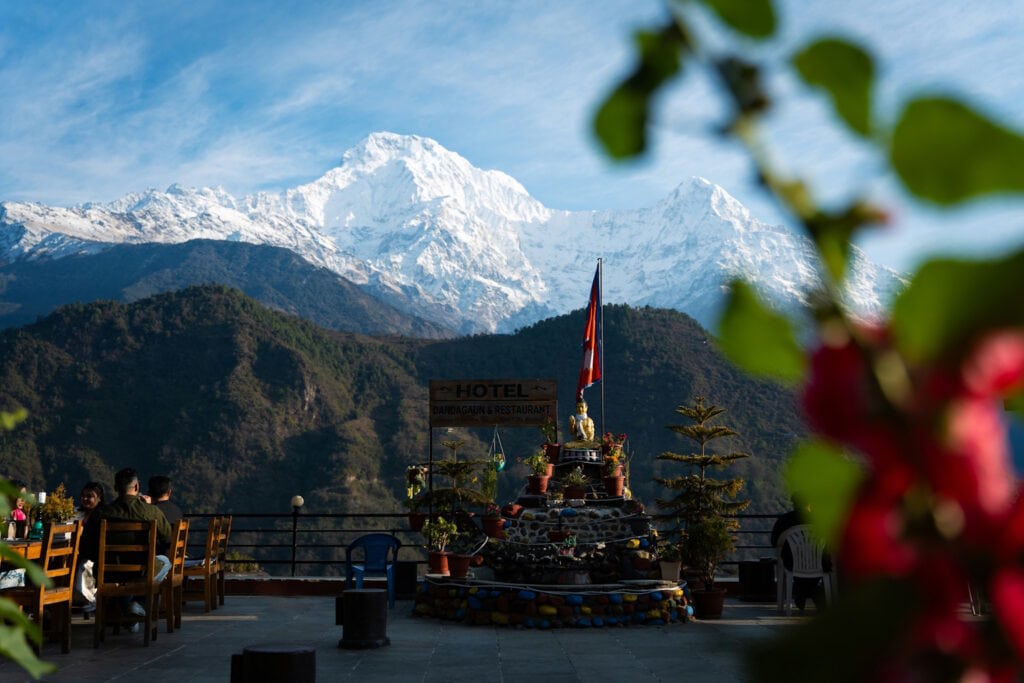
The village rewards simple attention. Sit with tea and watch the clouds move across Machhapuchhre. Walk the lanes without trying to turn every corner into content. Notice how water channels, stairways and terraces shape movement through the settlement. Listen to how quiet the place becomes outside the busiest arrival windows.
This slower rhythm is one reason Ghandruk appeals to travelers who want more than a checklist experience. It gives you scenery, but it also gives you room to absorb it. That is a different kind of value.
There is a trade-off, of course. If you prefer nightlife, broad dining variety or a long list of urban comforts, Ghandruk is not going to compete with city destinations. Its strength is exactly that it does not try to. It offers space, mountain air, local character and a pace that feels earned rather than curated.
When Ghandruk feels most rewarding
Season matters. In stable weather, the mountain views can be exceptional and the village feels open and bright. During wetter or cloudier periods, the scenery may be more obscured, but the atmosphere can become softer and moodier. Neither is automatically better. It depends on what you want.
If your main goal is wide Himalayan views, clearer seasons give you the strongest chance. If you care just as much about atmosphere, village texture and fewer crowds, a less obvious travel window may appeal more. The same applies to time of day. Early morning often shows Ghandruk at its best, before movement increases and before cloud gathers around the peaks.
Staying overnight usually gives a better experience than passing through quickly. A short stop can still be enjoyable, but it tends to turn the village into a viewpoint. Spending more time lets you see its character beyond the first impression.
The charm of Ghandruk picturesque traditional village is not only visual
It is easy to market a place like Ghandruk through images alone. The village gives you plenty to work with. Stone pathways. Traditional houses. Layered hillsides. Himalayan giants on the horizon. But image-based appeal only explains why people want to go. It does not explain why they remember it.
What stays with many travelers is the sense of proportion. Human-scale village life exists here under some of the biggest mountain forms on earth. That contrast creates humility. It also creates warmth. You are not only looking at nature. You are seeing how a community has lived within it.
That is why Ghandruk feels different from destinations that are beautiful but empty of context. It offers scenery and culture together. Neither works as well without the other.
A place does not need to be untouched to feel authentic. It needs continuity. Ghandruk still has that. It still feels like a village first and a travel destination second, and that is exactly why it leaves a mark. If your idea of travel includes beauty, cultural depth and the pleasure of moving at a more human pace, Ghandruk earns your time.