Nepal is famous for its mountains. Its roads are famous for other reasons. Anyone who has travelled overland from Kathmandu to Pokhara or Chitwan knows the routine: an early start, a long crawl out of the Valley behind a line of trucks and hairpin bends that test even a strong stomach.
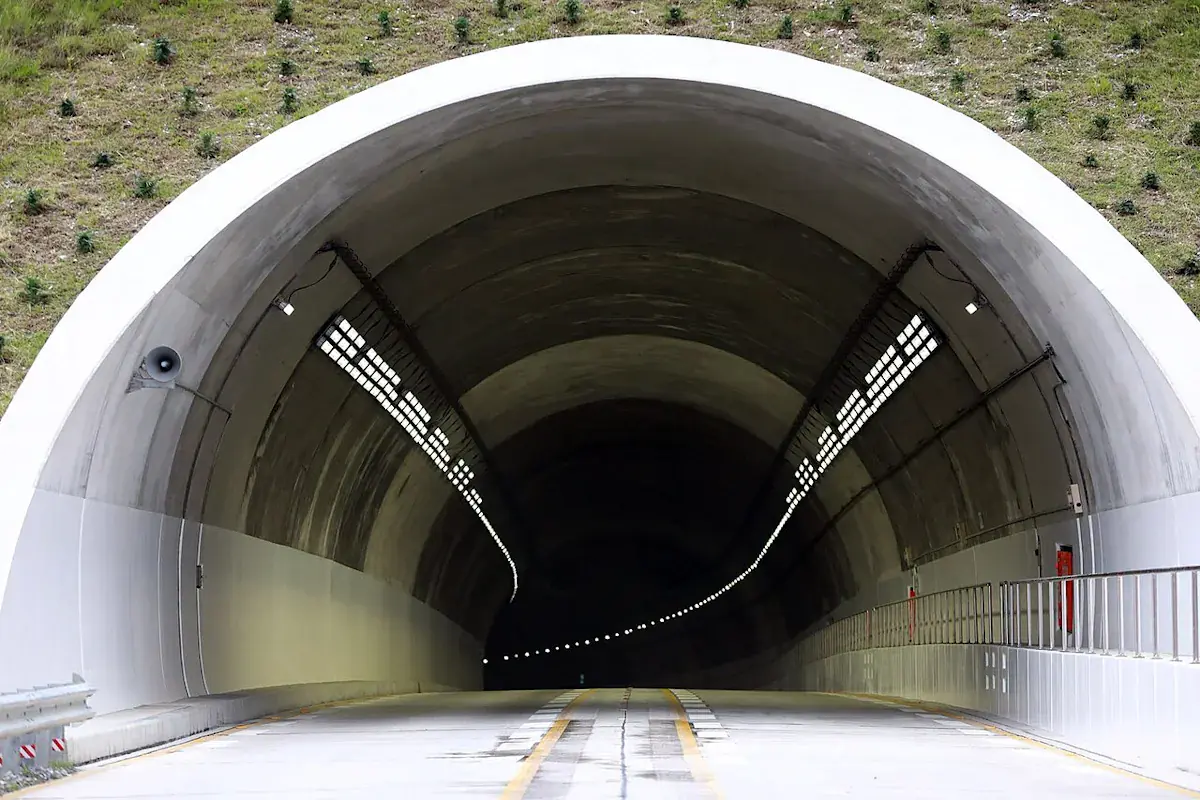
That first, worst part of the drive has now changed. Nepal’s first road tunnel takes traffic straight through the Nagdhunga hill. Since 1 November 2026 it is also the country’s first toll tunnel. It’s a small project with a big message: Nepal is starting to build and pay for the roads its visitors have long been waiting for.
Why the road out of Kathmandu is so slow
Almost everything that enters or leaves Kathmandu by road uses the Prithvi Highway: tourists heading for Pokhara and Chitwan, buses and the trucks that supply the capital. The Department of Roads counts about 18,000 vehicles a day on its busiest section. Kathmandu has no reliable alternative route.
The terrain does the rest. The highway follows steep river valleys and every monsoon brings landslides and floods. In late August 2026, floods washed away part of the road at Krishnabhir and cut the direct road link between Kathmandu and Pokhara. About 150 tourist buses stood idle and passengers switched to the air: flights between the two cities went from about 1,300 passengers a day to more than 3,500.
Even on a good day, the drive takes time. Drivers on the Chitwan route say Narayanghat to Kathmandu normally takes three and a half to four hours and at least five in the monsoon. Pokhara is further still.
Nepal’s first road tunnel: faster and more comfortable
The Nagdhunga Tunnel is 2.68 km long and runs under the hill on the western edge of the Kathmandu Valley. It was built with Japanese financing for about Rs 29 billion (about US$191 million), opened in July 2026 and has carried cars, jeeps and vans since late August.
- Faster: the climb between Sisnekhola and Balambu now takes about 7 minutes, cutting up to 30 minutes off the start of your journey.
- More comfortable: a straight, level, well-lit drive replaces the hairpin bends and stop-and-go traffic over the hill.
- Safer: CCTV, a 40 km/h speed limit, no overtaking and a separate emergency tunnel alongside the main tube.
A small fee, a big step
Since 1 November, a car pays Rs 65 (about US$0.43) to enter Kathmandu through the tunnel. For a tourist that is small change. For local drivers who use the road every day, it is a real cost. Either way, the principle matters for Nepal. The money goes to the Road Board Nepal, which funds road maintenance. In a country where roads are expensive to build and constantly damaged by the monsoon, letting users pay for upkeep is one way to keep new infrastructure in good shape.
What’s next: Nepal’s tunnel era
Nagdhunga is the first of a series. Eight more road tunnels are under construction, on two projects:
- Siddhababa Tunnel (1,126 m) on the Siddhartha Highway near Butwal, a notorious landslide zone on the road between Lumbini and Pokhara. It was about 70% complete in August 2026.
- Kathmandu–Terai Expressway: a 71 km four-lane road from Kathmandu to the southern plains, built by the Nepali Army for about Rs 212 billion (about US$1.4 billion), with seven tunnels including what will be Nepal’s longest. It was 48% complete in May 2026. Officials expect it to need two to three more years.
Progress is slow and Nepal’s mountains and monsoon will keep testing every new road. But the direction is clear. The foundation stone for the Nagdhunga Tunnel was laid in 2019. Today you can drive through it.
What it means for your trip to Pokhara and Chitwan
The tunnel removes the worst bottleneck at the start of the drive; the rest of the journey is still a full travel day through the hills. In a private car or jeep with a driver, you use the tunnel from day one. Buses were not yet allowed during the trial phase, so check with your bus company.
Is the drive worth it? We think so. The road to Pokhara and Chitwan passes terraced hills, river gorges and roadside villages you never see from a plane. With a good driver and the right stops, the journey becomes part of the trip. Plan your stay with our hotels in Pokhara and hotels in Chitwan. Check Nepal entrance fees and permits before you go.
See Nepal by road with a private driver
Kathmandu, Chitwan and Pokhara with a guide and private transport, at a comfortable pace.
7 Days Culture, Comfort & Adventure 11 Days Nepal Highlights
FAQ
Is the Nagdhunga Tunnel open?
Yes. It opened in July 2026, cars, jeeps and vans have used it since late August. Tolls started on 1 November 2026.
How much time does it save?
Up to 30 minutes. The climb out of the Kathmandu Valley now takes about 7 minutes.
Does it make the whole drive to Pokhara or Chitwan fast?
No. It removes the slowest stretch at the start; the rest of the road is unchanged and still takes most of a day.
Can I walk or ride a motorbike through it?
No. Pedestrians, motorbikes and other two-wheelers are not allowed.
Last-minute: 50% off open seats
In Kathmandu today or tomorrow? Book an open seat on one of our tours at half price with code LASTMINUTE50.
See last-minute toursSources
- The Himalayan Times: Nagdhunga Tunnel starts charging tolls (2 Nov 2026)
- The Kathmandu Post: tunnel opens to private vehicles (24 Aug 2026)
- Ratopati: Nagdhunga-Sisnekhola Tunnel inaugurated (27 Jul 2026)
- The Kathmandu Post: Prithvi Highway collapse leaves Pokhara’s tourist buses idle (6 Sep 2026)
- The Kathmandu Post: Muglin–Malekhu road widening (19 Apr 2025)
- MeroAuto: Nepal enters tunnel era as eight road tunnel projects move ahead (2 Aug 2026)
- The Kathmandu Post: Kathmandu–Tarai Expressway likely to miss deadline again (23 May 2026)